• NASA
  • IPAC

Summer Visit - 2026 - STARS

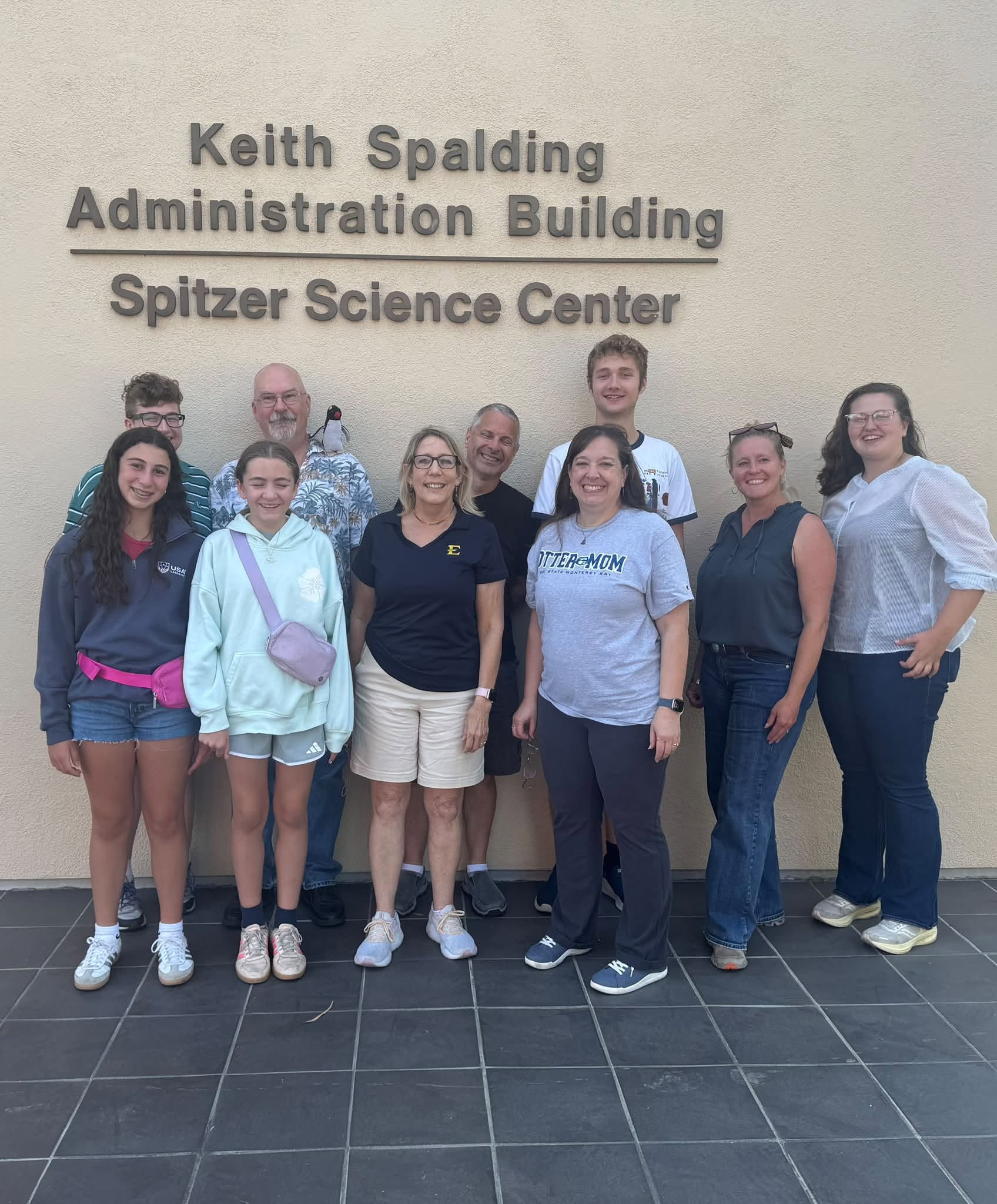
The summer visit to Caltech is 4 days long and is the only time during the year of work when all the participants on the team come together in person to work intensively on the data. Generally, each educator may bring up to two students to the summer visit that are paid for by NITARP, and they may raise funds to bring two more. The teams work at Caltech; the summer visit typically includes a half-day tour of JPL, which is a favorite site for group photos. Reload to see a different set of quotes.

The STARS team came to visit in July 2026. Five of the core team educators attended, plus 4 students. The sixth core educator, plus three more students, came to visit in June, earlier than the rest, as a result of other summer obligations.

Quotes

  • The [NITARP] experience fast tracks your ability to be a great educator while also changing the lives of your selected students. I don’t think you will get off one Zoom call without your mentoring astronomer asking for your questions. They mean it. Ask. The faster one gets over themselves, the more they will get out of the program. If you are looking for an experience where you can hide behind a keyboard and not interact with others, you chose wrong. The only way to get the most out of the NITARP experience is to be “all in”. Ask questions when needed. Jump in with answers when needed. I have found nothing to improve.
  • Physically working together at Caltech improves critical thinking, ethical reasoning, creativity, and adaptability because they get to “see” how others process problems and formulate answers. Our group leaves feeling rejuvenated, focused, and excited. I can see [my students] are more thoughtful and expressive in their reflections and discussions because they purposefully talk with more energy and understanding.
  • [student:] I feel like everything was either new or surprising!
  • [Thanks to NITARP,] I know what it takes to “do” research and “do” it well. Goal setting, literature reviews, listening to all voices, mentoring, questioning, writing a question, and doing the best with the knowledge you currently have, are only some of the aspects important for scientific research.
  • I am always surprised by how much we do not know about the various topics we study. What energizes me about science is that very fact. We don’t know what we don’t know until we encounter and study it. I did anticipate this. It is a reason I continue science research.

Summer Visit - 2026 - STARS