• NASA
  • IPAC

AAS - 2026

The Winter American Astronomical Society (AAS) meeting is the largest meeting of professional astronomers in the world. NITARP educators attend an AAS first to meet their team, then they go home and work remotely for much of the year, and then attend an AAS to present their results.  At any given AAS, then, we could have two NITARP classes attending - those finishing up, and those getting started. Reload to see a different set of quotes.

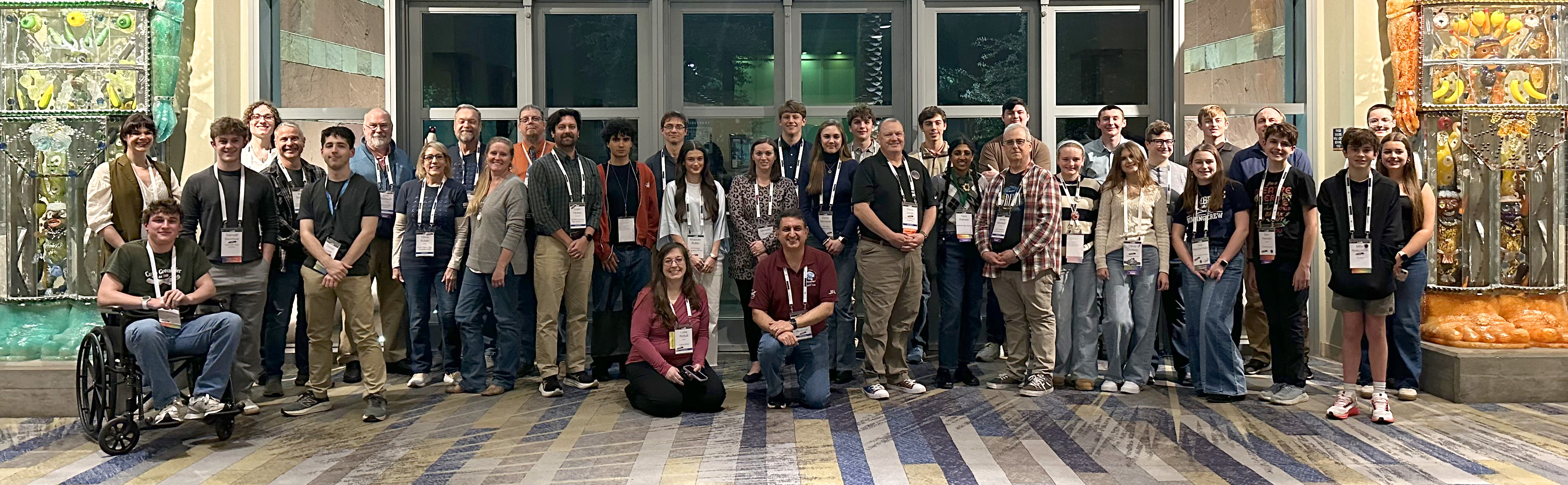
The 2025 and 2026 NITARP teams are attending the 2026 January AAS meeting in Phoenix, AZ. The 2025 class is presenting results and the 2026 all-volunteer self-funded alumni class is starting up. We sent about 35 people to the AAS and had a grand time. Please see the press release on NITARP from the AAS, and the special online article about NITARP at the AAS. All of the posters we presented are here. (In addition to the iPoster sessions as listed here, the physical versions of the 2025 teams' posters were up at the IPAC booth all day Tuesday.)

2025 teams:

Alumni

Quotes

  • NITARP has dramatically changed the way I work in the classroom. I’ve added a scientific research course, and because of the student population where I teach, there is no monetary cost for the students. Students can choose a topic of study that aligns with their own interests (within reason) and conduct a study with mentor support, emulating the NITARP model as much as possible. I also added a guided astronomy research experience for my physics students. I tried this last year, and it had a large impact, especially for my special education students. All students chose to make a scientific poster and present their guided research in lieu of taking a paper/pencil final. I will continue the guided research project with my on-level and honors physics classes this year.
  • I had never looked at scientific research [from the literature] in this way—as in, I was invested in this research [from the literature] because I was using it as a foundation for my own team's research goals.
  • [student:] I have a deep newfound respect for the astronomers and the work they do. Everyone I met at the conference and through the project has been so kind, inviting and well spoken.
  • Interacting with professional astronomers in a context like AAS helps make it clear how much like a high school teacher an astronomer really is.
  • My attitude towards teachers as researchers has shifted from skepticism to the belief that teacher learning can be transformed when we allow teachers to become researchers. It impacted my own feelings as just a science teacher to a scientist who teaches science.

AAS - 2026