• NASA
  • IPAC

Summer Visit - BINAP 2025

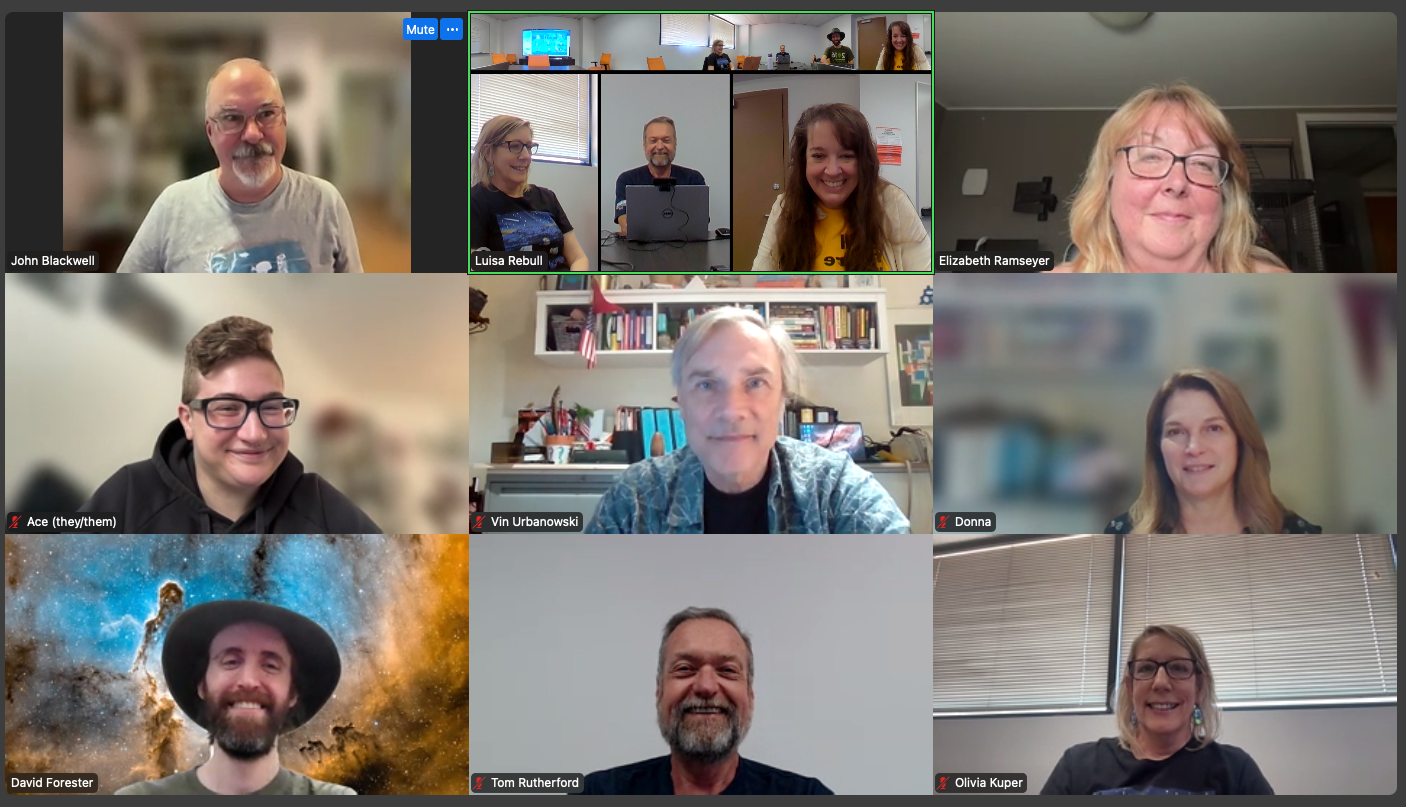
NITARP has been running in one form or another since 2005, and at this point nearly 150 educators have been through the program. For a third year, a few of the alumni raised their own money to come out to visit us at Caltech-IPAC in late June- early July 2025, with many more participating remotely. This group of alumni is continuing to work towards taking elements of a NITARP project, breaking it into “bite-sized pieces”, and making materials centered around those pieces that can be pulled out and used by NITARP alumni whether they have a semester long class in which they can only afford a few class periods to do something NITARP-related, or they have a year-long research class in which they can model more of the NITARP experience. This year, the group embarked upon making lessons centered on extragalactic activities. The plan is to continue to develop these materials (and add more!) that can be shared initially within the NITARP alumni community and eventually to educators world-wide looking to incorporate real astronomy data from IPAC into their classrooms.

Quotes

  • After the summer visit, I went back to school and changed everything about the way I taught. It completely transformed the way that I taught in the classroom on a regular basis. Everything became much more open ended and inquiry based.
  • The people that Luisa and Varoujan have gotten to talk to us these last few days shows us what's going on next in astronomy. And then when we bring that to the classroom, the students can tell that we really love this, and it's not just an exercise. It helps inspire us while we're in the classroom.
  • What this program does for me and what it has done for my students, is that it keeps us current and keeps us excited about this field.
  • I love NITARP. I think it's been one of the most amazing programs I've ever been part of, and easily the most effective professional development group or career enhancing group I've ever been part of. I could go on for hours.
  • Scientists now are dealing with huge amounts of data, and they have to be as much programmers as they are scientists. I tried to share that idea with my students, and say, if you go into a science field, you might want to go take a computer science class too. It'll be really helpful. But I was just sort of telling them that.[...] Getting my students to look at real life astronomical data, analyze it themselves, and answer their own questions by diving into archival data in IRSA, opens their eyes in a way that just telling them about it can't do.

Summer Visit - BINAP 2025