


Chelen Johnson
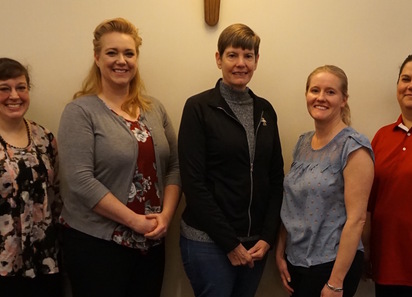

I am extremely grateful for the opportunity to participate in the NITARP program for the past year. I gained experience that I never thought I would be capable of, gained many new resources, and learned more that I ever expected. It has been a very unique and productive experience and I am proud of both the scientific research we accomplished and the educational aspects that were brought to our school systems.

I very much enjoyed meeting the other NITARP astronomers and participants. I was especially interested in the students’ experiences. Keeping the students in the loop and continuing to focus them on the big picture were especially good lessons from the past I plan to apply in the coming year.

There was a connection for me, and I hope my students, between what at times can be very tedious number crunching and theoretical concepts to practical application of data towards discovery.


